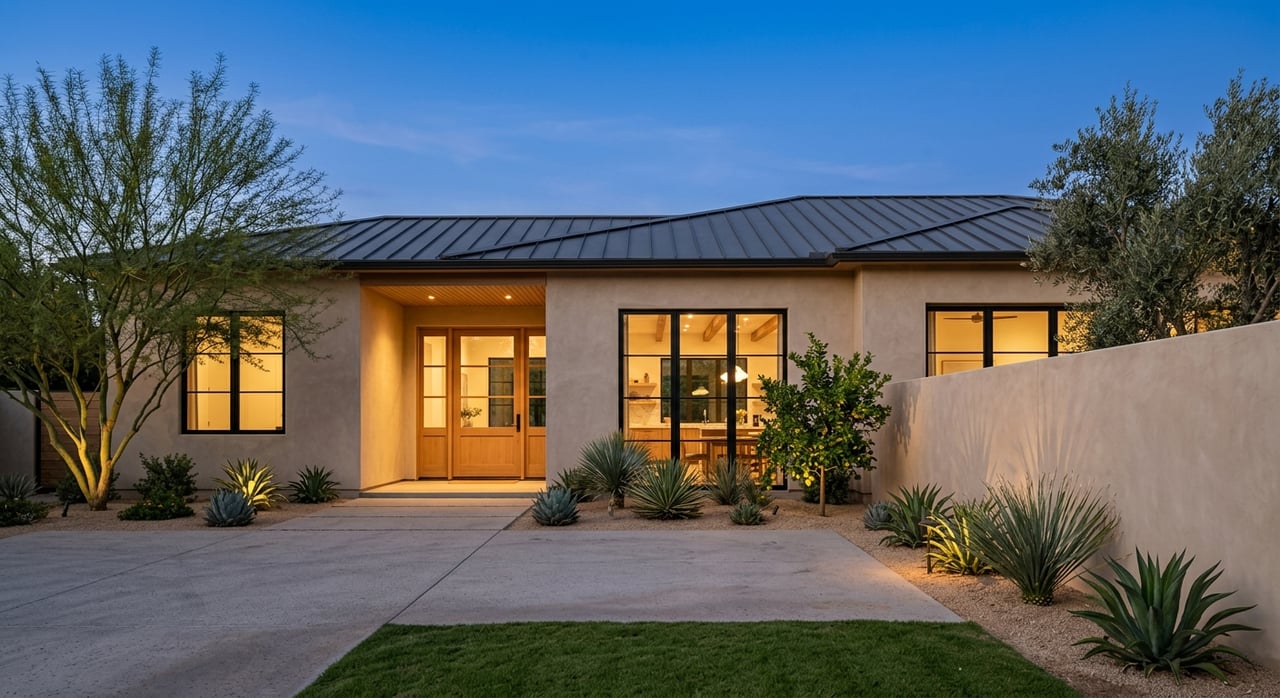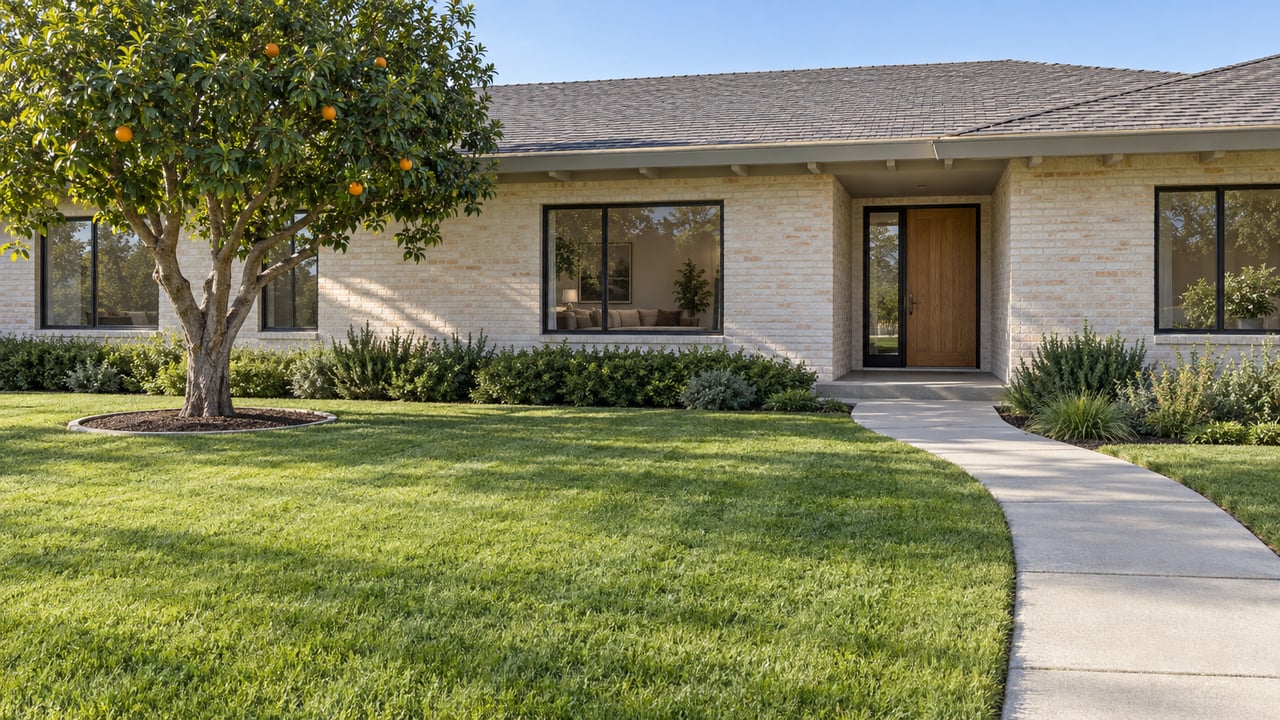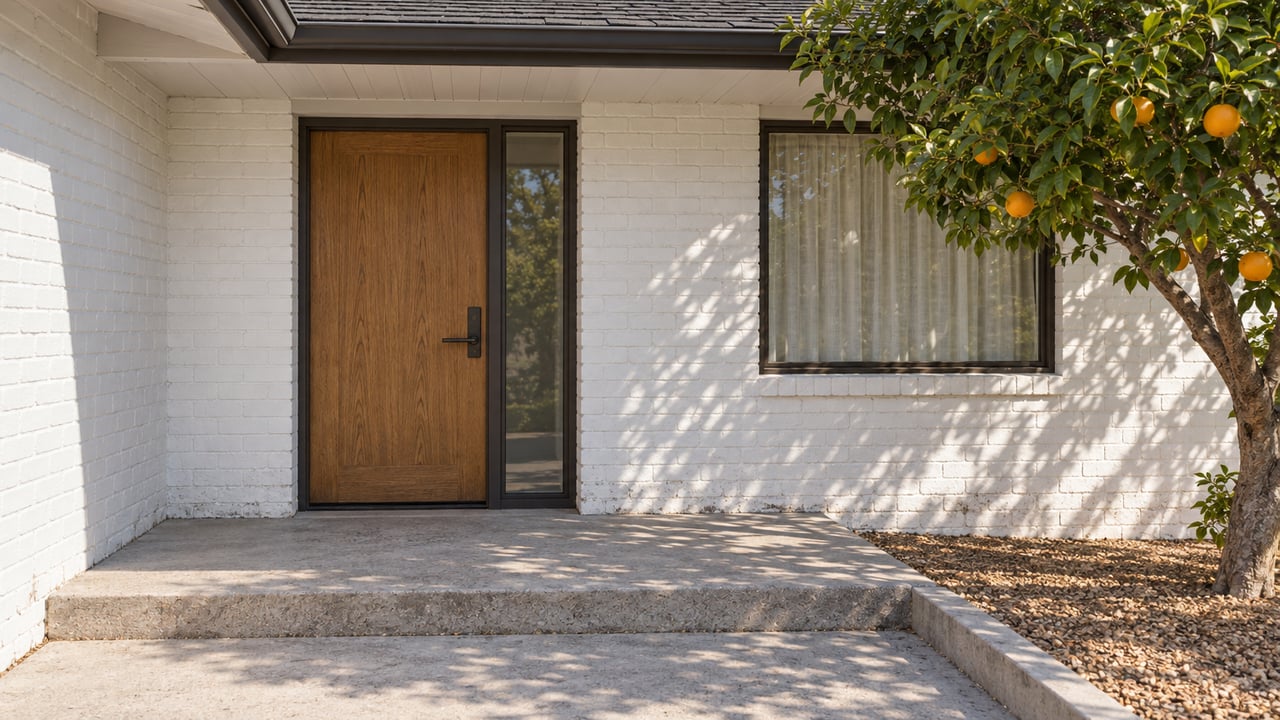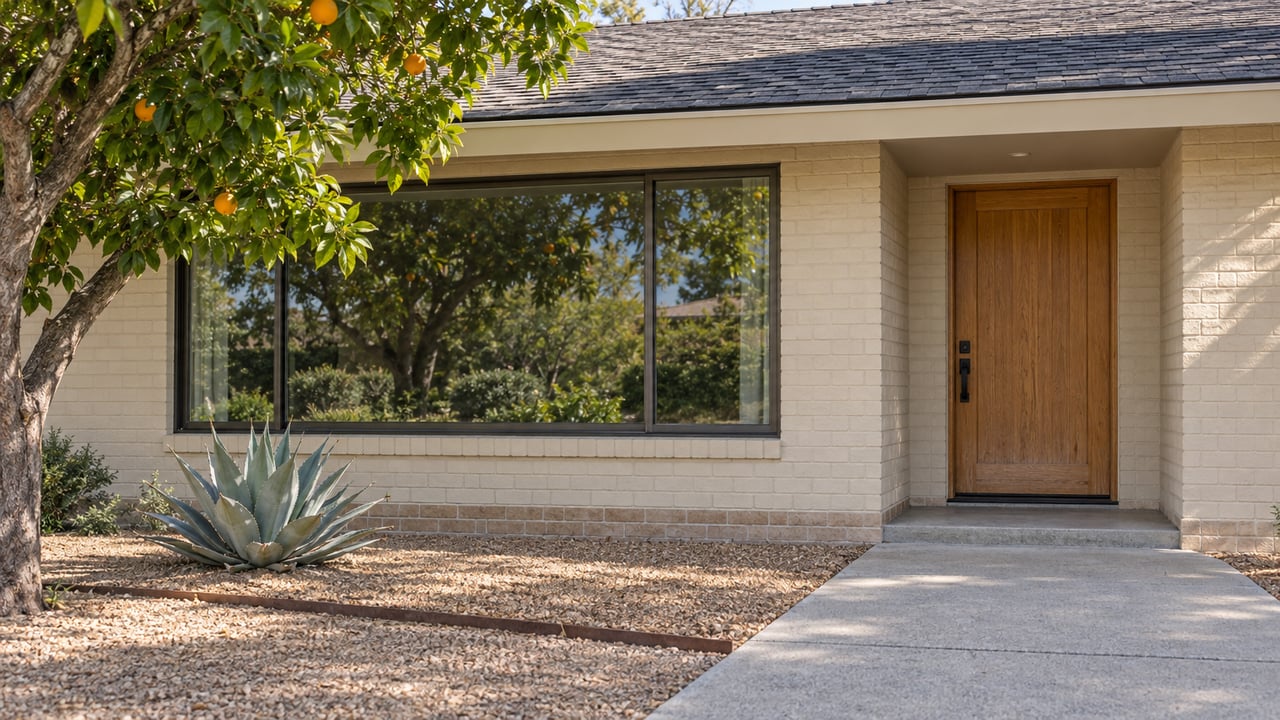
If you love Arcadia, you may face a very specific question: should you buy an older home to renovate, or hold out for a new build? In this part of Phoenix, that choice is rarely simple because the lot, the existing structure, and the review process can all shape your outcome. If you are weighing character against convenience, this guide will help you sort through layout, timeline, permits, and project scope so you can decide with more confidence. Let’s dive in.
Why Arcadia Changes the Decision
Arcadia is not a typical newer suburb where your choice is simply old house versus new house. It is a mature area within Phoenix’s Camelback East village, and city planning documents describe it as an area with older housing stock and a goal of preserving residential character.
That matters because many buyers here are really choosing between three paths: an older home on a strong lot, a heavily renovated home, or a teardown that becomes a new build. In other words, you are not just buying square footage. You are also buying into the lot, the setting, and the rules that may apply to the property.
Phoenix also maintains the Arcadia Camelback Special Planning District and related overlays. Some homes may face added zoning or design review, so it is smart to verify what applies before you assume a property can be changed freely.
Compare the Home You Want
Older Arcadia Homes
Many older Arcadia homes reflect classic ranch-style design. These homes are often single story with a long, low profile, larger windows, deep eaves, outdoor living areas, and attached garages.
In practical terms, older homes often give you what many buyers love most about Arcadia: larger lots, mature trees, and a strong sense of place. They can also offer great indoor-outdoor flow, which fits the Phoenix lifestyle well.
The tradeoff is that some older floor plans may not match how you live today. You may find more defined rooms, less storage, or bedroom layouts that feel less efficient than newer homes.
Newer Arcadia Construction
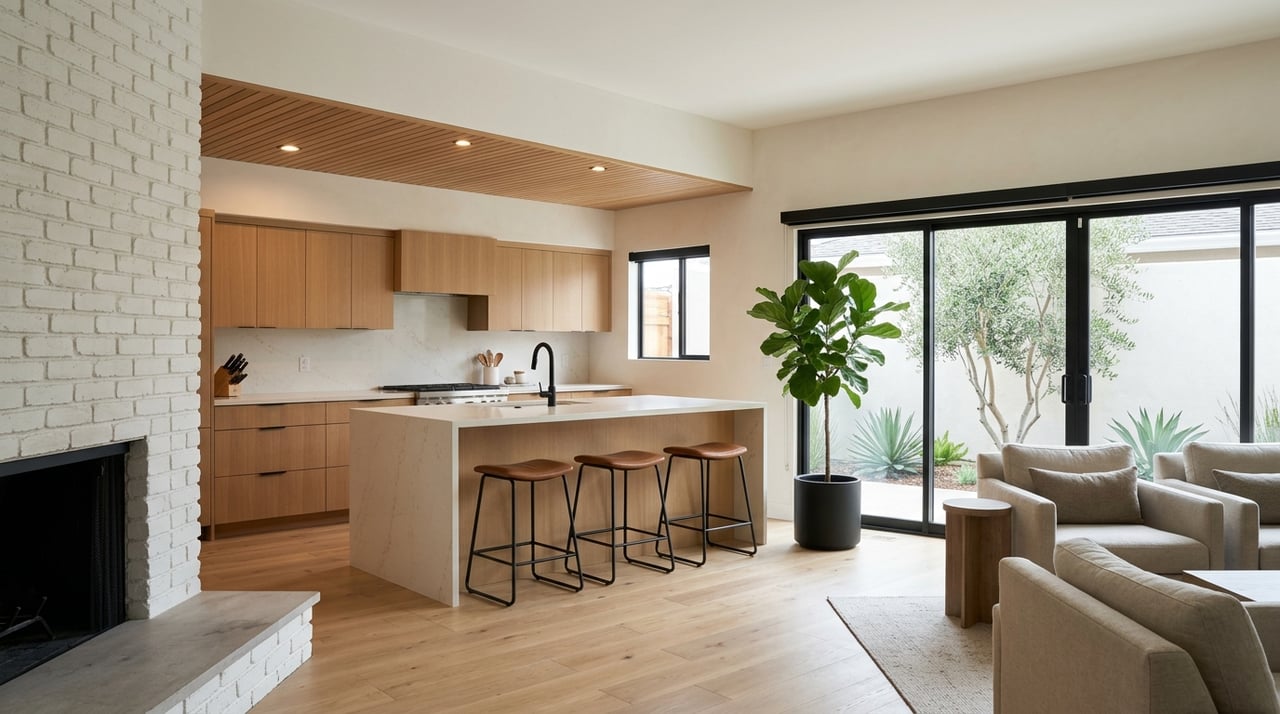
Newer construction usually wins on layout efficiency. Current home designs often prioritize larger kitchens that open to family rooms, along with practical spaces like walk-in pantries, laundry rooms, and extra linen storage.
If you want a home that already feels aligned with modern living, a new build may be the cleaner fit. You are more likely to get the flow, function, and room arrangement you want without a major redesign after closing.
The Real Layout Question
In Arcadia, the key question is not just whether a home is old or new. It is whether the existing house can realistically become the home you want without turning into a major construction project.
If you love the lot and the shell already works, renovation may make sense. If you know you want a very specific layout and do not want to force an older home into it, a new build may be the better path.
Understand Phoenix Permit Reality
Cosmetic Work Is Simpler
Phoenix makes a clear distinction between cosmetic updates and more involved work. Items like painting, flooring, and replacing cabinets or fixtures in the same locations generally do not require a permit if there are no structural, electrical, or plumbing changes.
That means a light refresh can stay relatively straightforward. If your vision is mostly finishes and surface-level updates, renovation may be faster and less disruptive.
Structural Changes Add Complexity
Once your project includes wall removal, plumbing moves, gas line changes, electrical rewiring, or room additions, the process changes quickly. Phoenix requires plan review and permit approval for much of this work.
For a new home or addition, the city requires plan submittals that include plans, calculations, and a plot plan showing the lot and house orientation. The project is then reviewed for code and design compliance before a permit is issued.
New Builds Usually Take Longer
A teardown and new build usually involve more steps before construction even starts. Demolition requires its own permit, and some properties may trigger added review if they are on the Phoenix Historic Property Register.
During construction, inspections happen at multiple stages, including foundation, framing, and pre-drywall systems. That inspection path is one reason new construction often carries a longer lead time than a simple renovation.
Major Remodels Can Act Like New Construction
A major remodel can start to behave a lot like a new build. If you plan to remove multiple walls, relocate kitchens and baths, add square footage, or rebuild major systems, you should expect a more complex approval and construction process.
This is where buyers can get caught off guard. A home that looks like a renovation opportunity on paper may actually involve a timeline and process much closer to ground-up construction.
Review Rules Before You Commit
Check Overlay or Historic Status Early
Before you fall in love with a property, confirm whether it is subject to special review. Phoenix notes that historic properties may carry HP or HP-L zoning overlays, and those homes are subject to special processes.
In Arcadia, this step is especially important because of the Arcadia Camelback Special Planning District and related overlays. Early review can save you time, money, and frustration.
Consider Site Constraints
The house itself is only part of the decision. Site conditions can affect both cost and timing, especially in infill locations or Camelback-adjacent areas.
Phoenix notes that grading and drainage or hillside permits, if required, must be obtained before a building permit is issued. That means lot conditions can have a real impact on how feasible your plan is.
Use a Simple Scope Test
One of the best ways to decide between renovation and new build is to sort your wish list into three buckets.
Cosmetic
These are changes that improve look and feel without major reworking.
- Paint
- Flooring
- Fixtures
- Cabinet replacement in the same location
- Surface-level kitchen or bath refreshes
If most of your list falls here, renovation may be a strong option.
Systems
These changes affect how the house functions behind the walls.
- Electrical rewiring
- Plumbing changes
- Gas line modifications
- HVAC-related work tied to reconfiguration
Once your project moves into systems work, complexity rises and permits are more likely.
Structural
These changes alter the bones or footprint of the home.
- Removing walls
- Reworking the floor plan
- Adding square footage
- Major additions
- Teardown and rebuild
If your wish list is mostly structural, your renovation may no longer be a casual remodel. It may be better to compare that option directly against a new build.
Budget for Unknowns
Older homes can be deeply appealing in Arcadia, but they can also come with surprises behind walls or within aging systems. That is why renovation planning should include a contingency buffer.
A reserve helps protect you if the scope expands after work begins. If you are buying an older home with plans to renovate, this is one of the smartest places to build in margin from the start.
When a New Build Makes More Sense
A new build tends to fit best when you want clarity about the final product. If your priorities include a highly specific floor plan, modern storage, updated utility spaces, and fewer unknowns once complete, this path often makes sense.
It can also be a better choice when you know an older home would need extensive changes to feel right. In that case, forcing a renovation may create more friction than starting fresh.
The main tradeoff is time. In Phoenix, new construction usually comes with a longer pre-construction and construction timeline because of plan review, permits, inspections, and possible overlay or historic review.
When a Renovation Makes More Sense
Renovation often fits best when the lot is the priority. If you are drawn to mature landscaping, neighborhood character, and an established Arcadia setting, updating an existing home may give you the best mix of location and personalization.
This approach works especially well when the home already has a workable shell. If you mainly need a better kitchen, a more open common area, or a more practical bedroom configuration, renovation can be a smart path.
In many cases, it is the fastest route to a home that feels custom without taking on a full new-build process. The key is making sure your “light renovation” is truly light.
A Practical Arcadia Decision Framework
If you are deciding between a new build and a renovation in Arcadia, ask yourself these questions:
- Do you love the lot enough to work with the existing house?
- Is your wish list mostly cosmetic, or mostly structural?
- Do you want a finished home with modern function from day one?
- Are you comfortable with a longer permit and construction timeline?
- Have you checked for overlay, historic, grading, or drainage constraints?
- Do you have room in your budget for renovation unknowns?
Your answers will usually point you in the right direction. If the lot and setting come first, renovation may be the better fit. If layout certainty and fewer surprises matter most, a new build is often the cleaner path.
Arcadia rewards careful planning because every property has its own mix of opportunity and limitation. If you want help evaluating which homes are worth renovating, which ones may function better as new-build opportunities, and how to compare the tradeoffs with a clear strategy, The Pontikas Team is here to help.
FAQs
What makes deciding between new build and renovation different in Arcadia?
- Arcadia is a mature Phoenix area with older housing stock, valuable lots, and some properties that may be affected by special planning districts, overlays, or historic review.
What kinds of Arcadia home updates usually do not need a permit in Phoenix?
- Painting, flooring, and replacing cabinets or fixtures in the same location generally do not require a permit when no structural, electrical, or plumbing changes are involved.
When does an Arcadia renovation become a major project?
- A renovation becomes much more complex when it includes wall removal, plumbing relocation, gas line changes, electrical rewiring, room additions, or other structural or systems work.
Why might a new build in Arcadia take longer than a renovation?
- New builds typically require plan submittals, permit review, demolition approval when applicable, and multiple inspections during construction, which adds time before and during the build.
What should you verify before buying an older Arcadia home to renovate?
- You should verify whether the property has historic status, zoning overlays, or site-related constraints such as grading, drainage, or hillside requirements that could affect your project.
Is renovation or new build better for modern floor plans in Arcadia?
- New builds are more likely to offer modern layouts, storage, and utility spaces from the start, while renovations can work well if the existing home already has a shell that can be updated without major structural changes.