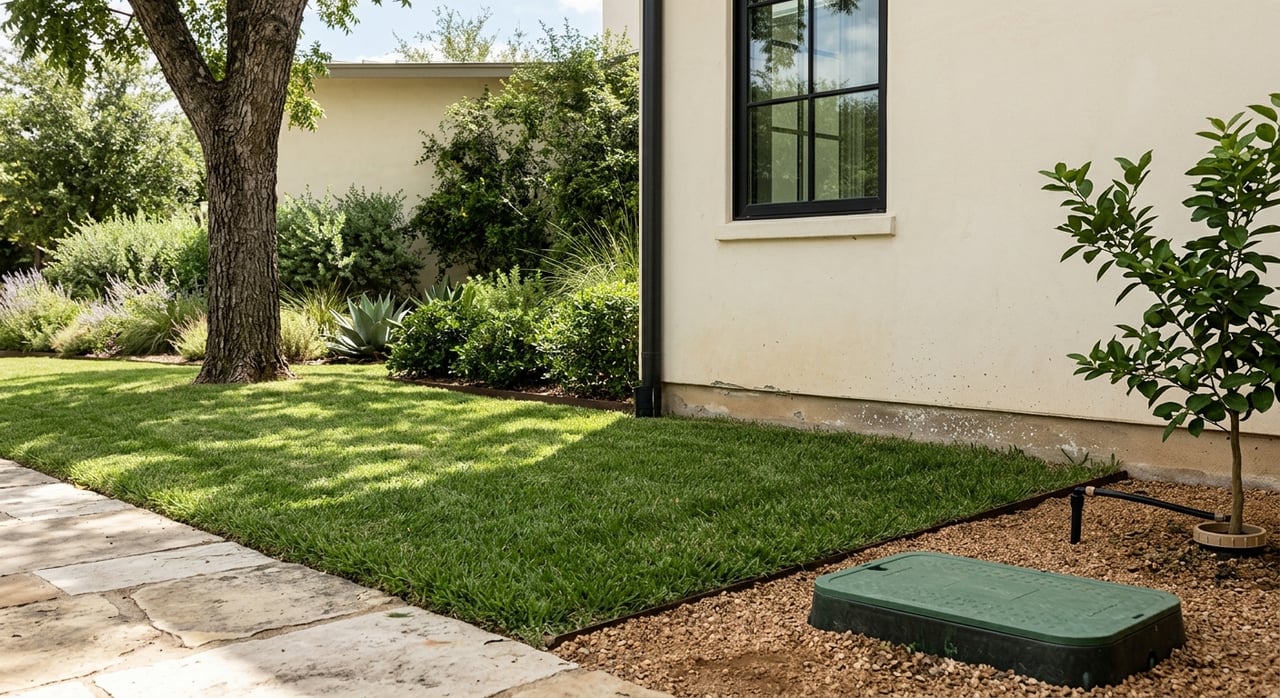
If you have looked at homes in Arcadia and wondered why some yards feel greener, shadier, and more established than others, irrigation is often the reason. For many buyers, an irrigated lot is appealing, but it also comes with questions about upkeep, scheduling, and shared infrastructure. This guide will help you understand how irrigated lots and yards work in Arcadia, what to ask before you buy, and what ownership may look like after closing. Let’s dive in.
Why irrigation matters in Arcadia
Arcadia’s connection to irrigation goes back to the area’s early development. The City of Phoenix historic survey describes the original Arcadia subdivision as a rural-estate project with large five- to ten-acre lots intended as small citrus orchards.
The same survey notes that the Arcadia Water Company formed in 1919 to serve the area, built pumping plants in Paradise Valley, and planned an underground irrigation system. By 1924, crews had laid 15 miles of underground concrete pipe, which helps explain why irrigation remains such a recognizable part of Arcadia today.
That history still shapes how many properties look and function. Compared with later desert subdivisions, Arcadia often has larger planting areas, mature shade trees, and yard layouts that reflect an older irrigation pattern.
How flood irrigation works today
In Arcadia, flood irrigation is generally part of a neighborhood system rather than a standard house-by-house utility. SRP brings water to the delivery gate, and then private ditches, channels, pipelines, standpipes, berms, and valves move that water to individual homes.
SRP says flood irrigation typically fills yards with 2 to 3 inches of water. That water soaks into the soil and can help trees and plants develop deep roots.
This is important because the system does not end at the gate. The private system beyond the delivery gate is owned and maintained by neighborhood users, which means irrigation is both a property feature and a shared infrastructure responsibility.
What makes an irrigated lot different
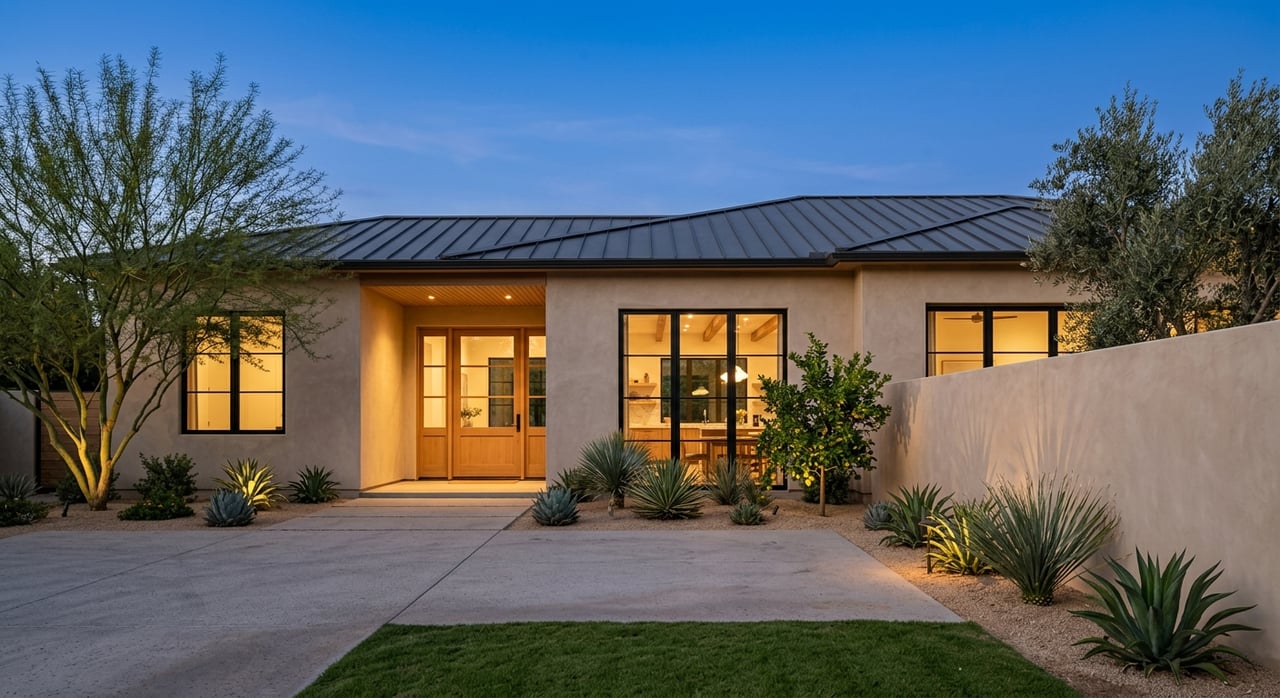
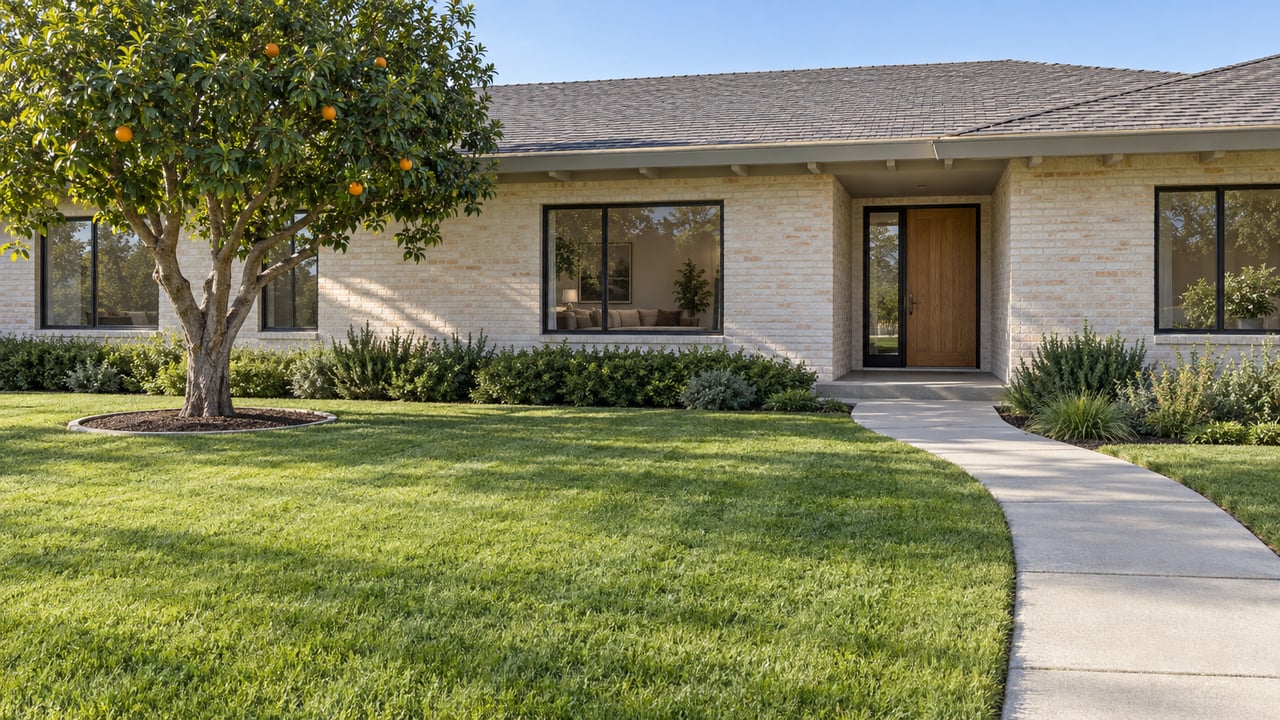
An irrigated lot can support a different yard style than a typical drip- or sprinkler-based landscape. In practical terms, you may see larger lawns, bigger shade trees, or more traditional green-yard layouts than you would in many standard Phoenix neighborhoods.
By comparison, the City of Phoenix defines desert landscaping as using low-water-use and desert-friendly plants adapted to Phoenix’s hard soil and infrequent rainfall. The city also notes that outdoor water use can account for up to 70 percent of household water use on average, which is one reason landscape design matters so much.
Phoenix guidance for sprinklers and drip systems focuses on grouping plants by similar water needs, using drip where possible, limiting overspray, and adjusting watering seasonally. The city says landscape watering can be reduced by 30 to 50 percent when irrigation is adjusted by season.
What buyers should verify first
Not every home in the broader Arcadia area will have the same irrigation setup, and parcel-level verification matters. The City of Phoenix historic survey notes that some of the original Arcadia plat lies in Scottsdale, which is one reason assumptions can be risky.
A smart first question is whether the specific parcel is in SRP irrigation territory. SRP says a property may be eligible for irrigation service even if domestic water or electricity comes from another provider.
From there, ask for the current irrigation schedule, the deadline to place an order, and the latest bill or statement. SRP’s irrigation billing and statement information can identify the canal-lateral-gate path and show delivery start and stop times, along with hours run.
How the irrigation schedule usually works
For residential subdivision accounts, SRP generally schedules deliveries about every 14 days in summer and every 28 days in winter. There is also an annual canal maintenance period when no deliveries are scheduled.
SRP says water is delivered 24 hours a day, seven days a week, including holidays. Orders are placed in five-minute increments up to a maximum allocation based on acreage and water rights.
For you as a buyer, this means irrigation usually follows a set neighborhood rhythm rather than an on-demand watering pattern. It is worth understanding that timing before you buy, especially if you are comparing an irrigated lot with a more conventional desert landscape.
Maintenance is a big part of ownership
The biggest practical difference with irrigated lots is maintenance. SRP says the private system beyond the delivery gate belongs to the neighborhood users, and prompt repairs matter because leaks or broken valves can interrupt deliveries, flood property, or damage streets.
That means you should ask who coordinates upkeep and how repairs are handled. Depending on the area, maintenance may be managed by an HOA, a formal or informal neighborhood group, or an Irrigation Water Delivery District.
SRP says an Irrigation Water Delivery District, or IWDD, is a county special taxing district used to collect funds for repair and maintenance through property taxes. If a home is in one of these setups, that funding structure is worth reviewing as part of your due diligence.
Ask about aging infrastructure
Because many Arcadia-area irrigation systems are older, infrastructure condition matters. SRP says some private flood-irrigation systems in the Valley are aging, and while its Community Irrigation Revitalization Initiative can provide one-time support for eligible improvements, long-term maintenance still remains the owners’ responsibility.
When you are evaluating a home, ask whether there have been recent repairs or known issues with valves, berms, lines, or delivery pathways. It is also reasonable to ask whether the neighborhood has a plan for future maintenance and how costs are typically shared.
This is one of those details that can affect ownership experience more than first-time buyers expect. A beautiful irrigated yard can be a real asset, but it works best when the system behind it is understood and cared for.
Yard projects may have extra restrictions
If you are planning a pool, fence, grading work, or other major yard changes, irrigation-related restrictions may come into play. SRP says projects on SRP-owned land can require conflict review or permission, including pool clearance authorization and requests to encroach on an irrigation easement.
This is why it is smart to ask early about easements or other land restrictions tied to the irrigation system. Even if the lot looks straightforward, recorded easements or neighborhood infrastructure paths can affect what is possible.
For buyers who want to remodel or rework the outdoor space, this step is especially important. It can help you avoid costly surprises after closing.
A practical checklist for buyers
If you are considering an irrigated property in Arcadia, bring these questions into your home search:
- Is this specific parcel in SRP irrigation territory?
- What is the current delivery schedule for the neighborhood?
- What is the deadline to place a water order?
- Can the seller provide the latest irrigation bill or statement?
- Who owns and repairs the ditches, valves, pipelines, berms, or standpipes beyond the SRP gate?
- Is maintenance handled by an HOA, neighborhood group, commercial irrigator, or IWDD?
- Are there known repair issues or aging infrastructure concerns?
- Are there irrigation easements or restrictions that could affect future yard improvements?
Why this matters when buying in Arcadia
In Arcadia, irrigation is not just a landscape detail. It is part of the area’s history, part of its visual identity, and part of the ownership equation.
For some buyers, an irrigated lot is exactly what makes a property feel special. For others, the added coordination and maintenance may be a reason to compare options more carefully.
The key is to understand the system before you commit. When you know how the yard is watered, who maintains the infrastructure, and what restrictions may apply, you can make a more confident decision and plan for ownership with fewer surprises.
If you are exploring homes in Arcadia and want clear, practical guidance on how lot features like irrigation affect value, upkeep, and day-to-day ownership, The Pontikas Team can help you evaluate the details with a strategy-first approach.
FAQs
What is an irrigated lot in Arcadia?
- An irrigated lot in Arcadia is a property that receives flood irrigation through a neighborhood system, with SRP delivering water to a gate and private infrastructure carrying it to the home.
How often do Arcadia irrigation deliveries happen?
- For residential subdivision accounts, SRP generally schedules deliveries about every 14 days in summer and every 28 days in winter, except during the annual canal maintenance period.
Who maintains private irrigation infrastructure in Arcadia?
- SRP says the private system beyond the delivery gate is owned and maintained by neighborhood users, which may mean an HOA, neighborhood group, or IWDD helps coordinate repairs.
Can a home have SRP irrigation if another company provides water service?
- Yes. SRP says a property may be eligible for irrigation service even when domestic water or electricity comes from another provider.
What should buyers ask about Arcadia irrigation easements?
- Buyers should ask whether SRP irrigation easements or other land restrictions could affect projects such as pools, fences, grading, or yard redesign.
How is an irrigated Arcadia yard different from typical Phoenix desert landscaping?
- Flood irrigation can support a more traditional green-yard layout with larger trees and planting areas, while typical Phoenix desert landscaping usually relies on targeted sprinkler or drip watering and lower-water plant choices.