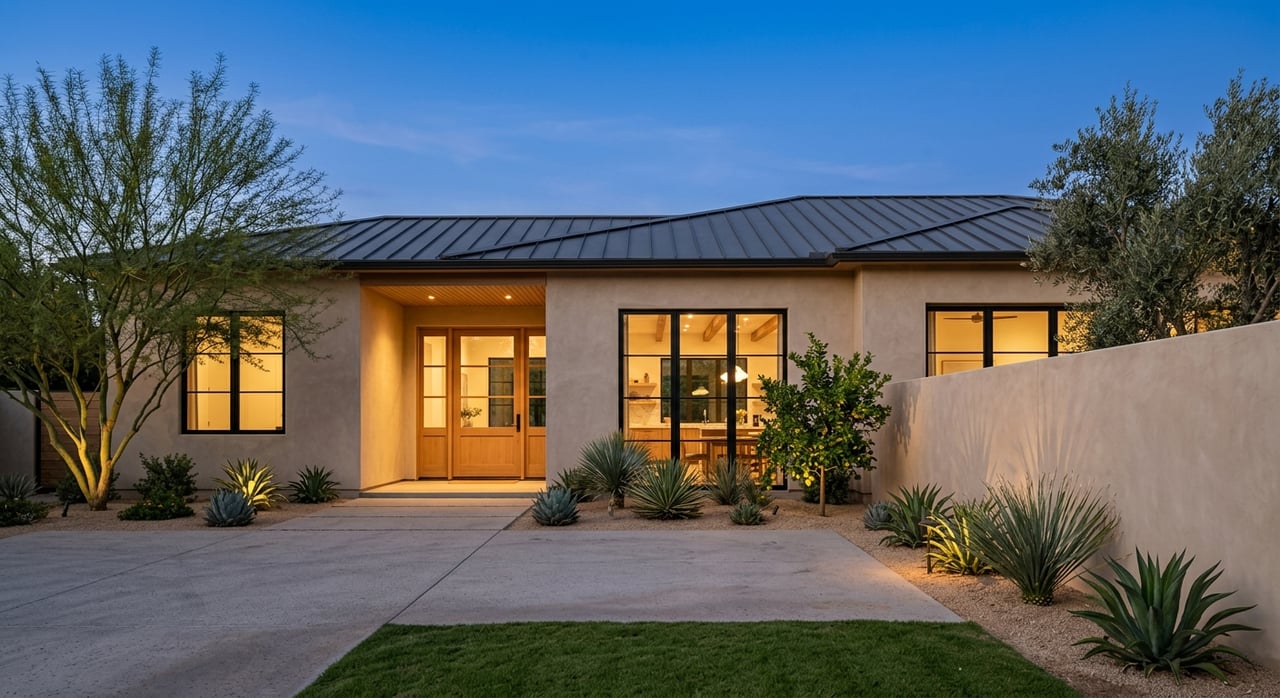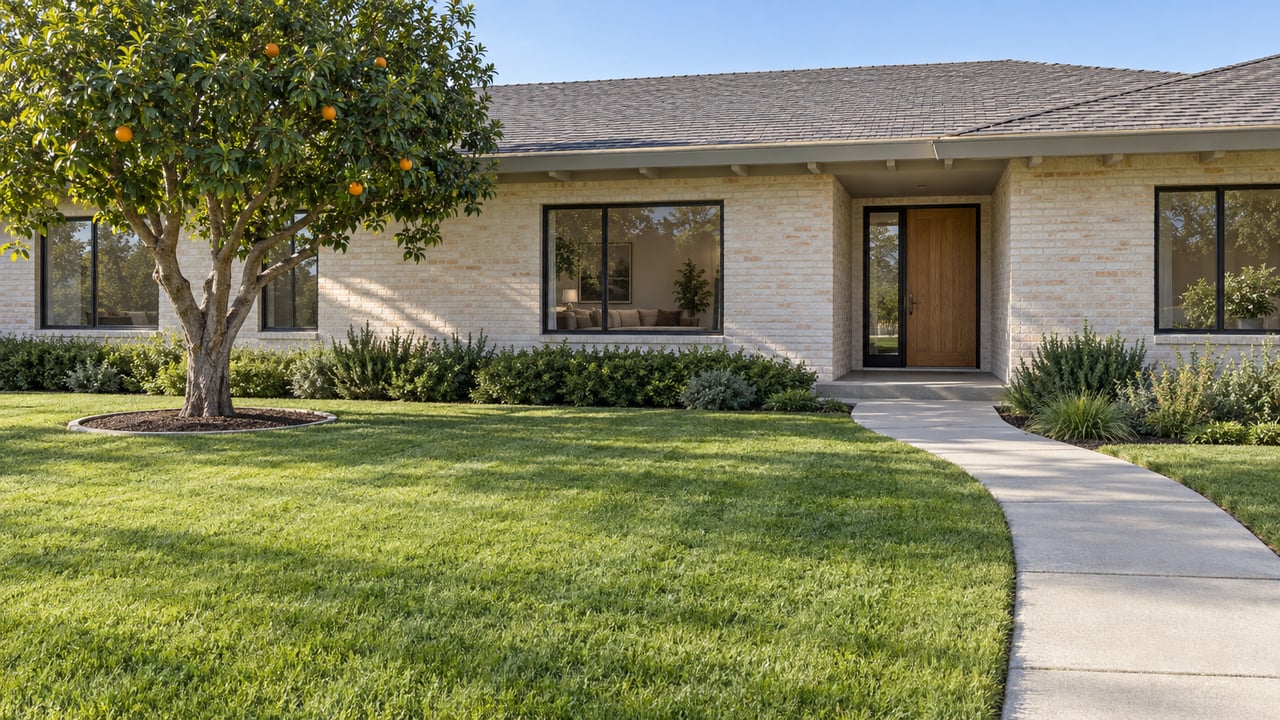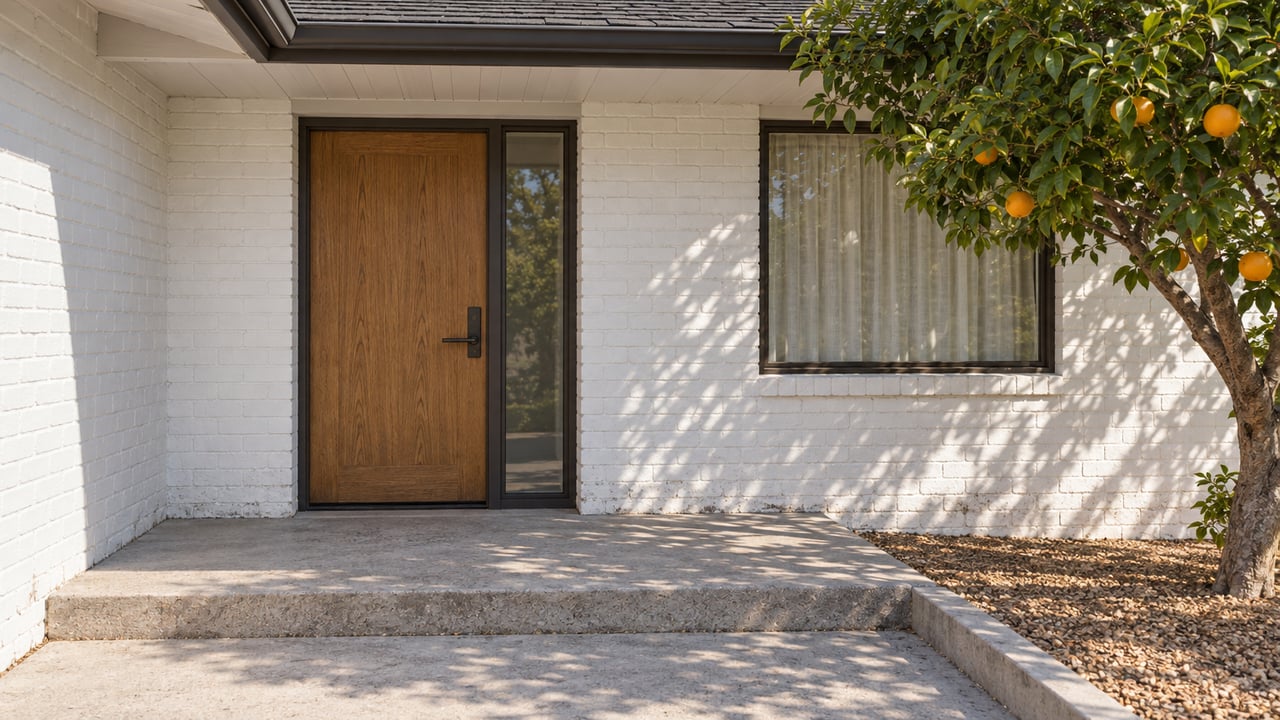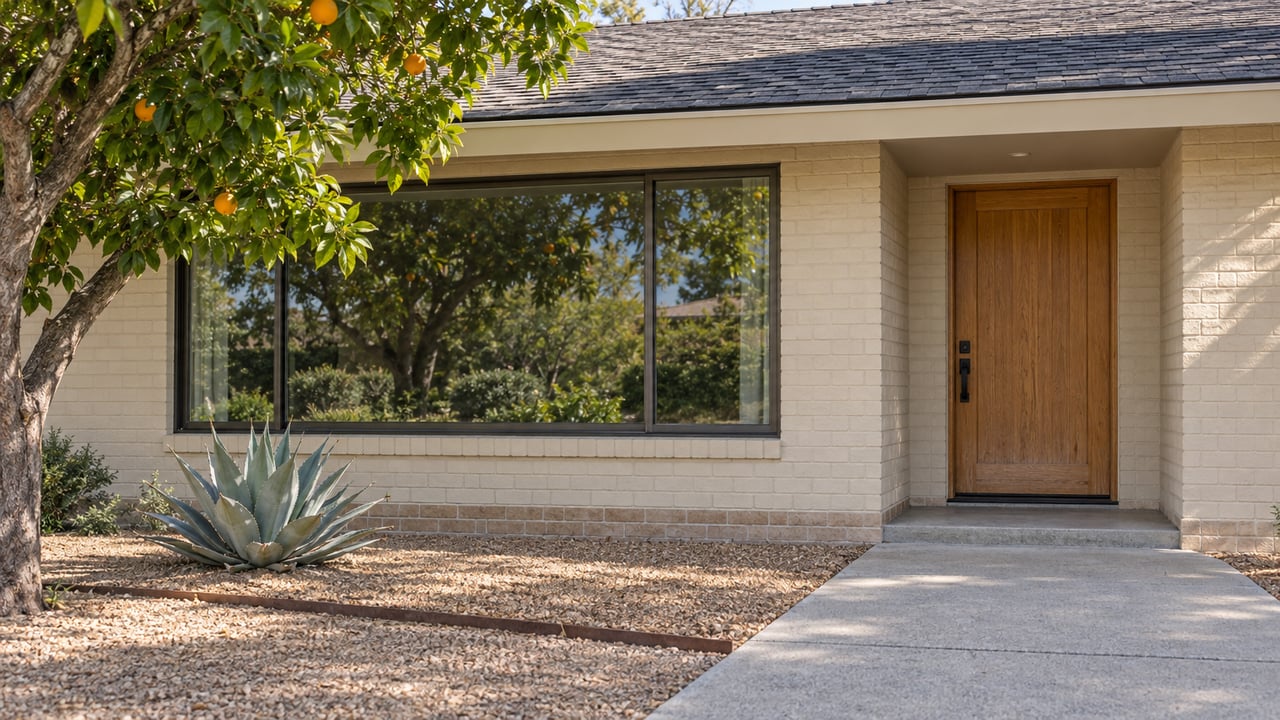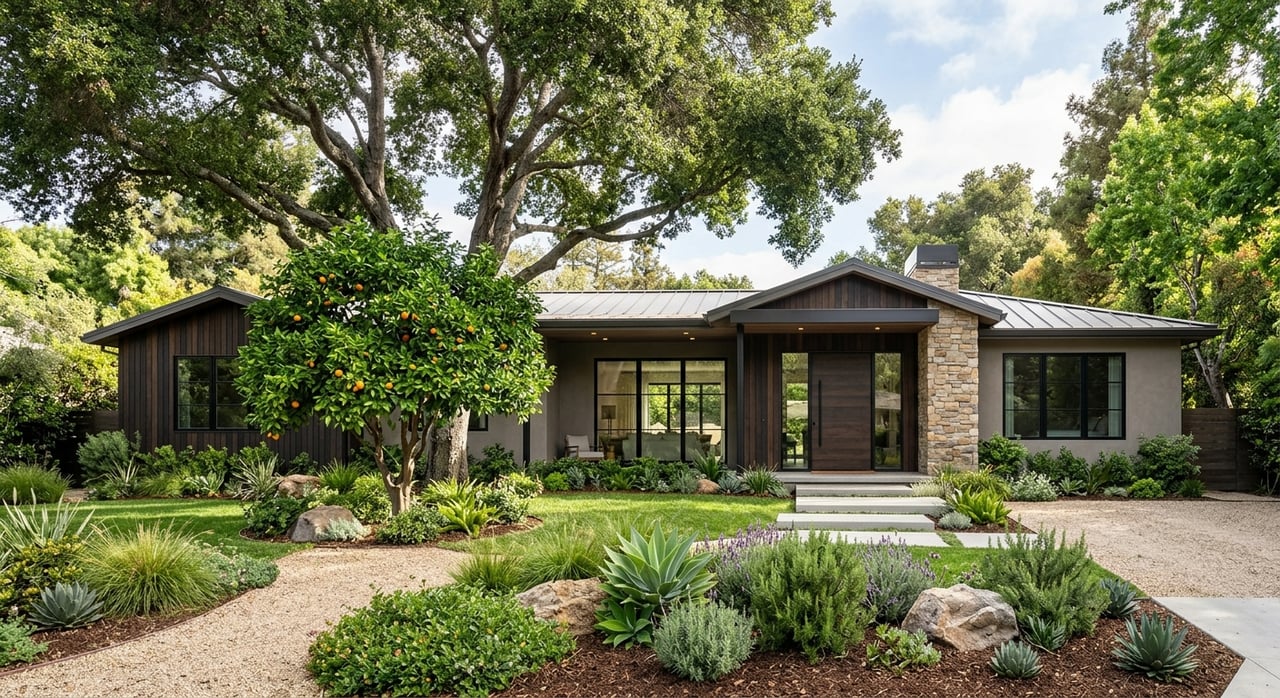
If you are thinking about buying in Arcadia, the biggest mistake is assuming every home with an Arcadia address offers the same lot, feel, or long-term value. This is one of the most distinctive pockets in the Phoenix metro, but it is also one of the most varied from block to block. When you understand how lots, layouts, irrigation, and location work here, you can buy with much more clarity and confidence. Let’s dive in.
Why Arcadia Feels So Different
Arcadia is best understood as a close-in Phoenix and Scottsdale submarket, not a single neatly defined neighborhood. The City of Phoenix historic survey ties the original 1919 Arcadia plat generally to Lafayette Boulevard on the south, Rockridge Road on the north, 44th Street on the west, and Scottsdale Road on the east. Part of that original area east of Invergordon Road is now in Scottsdale.
That matters because the Arcadia name can cover different sub-areas with different boundaries and street patterns. Phoenix neighborhood records show multiple Arcadia-related organizations, including areas like Arcadia Osborn and Arcadia Camelback Mountain. For you as a buyer, that means the label alone is not enough. The immediate block and sub-area matter just as much as the zip code or neighborhood name.
Arcadia Lots Start With History
Arcadia’s lot pattern comes from its agricultural roots. After Roosevelt Dam made water supply more reliable, the area was developed as a rural estate suburb with a citrus-orchard concept. The original subdivision was marketed with large five- to ten-acre lots and minimum house-cost requirements.
Over time, replats in the 1920s and 1930s kept many lots relatively large, but they also introduced more variety in shape and layout. Some subareas were divided into smaller blocks and lots, while others kept a more estate-style feel. That history still shows up today in the way homes sit on their parcels and how each street feels.
Why Lot Shape Matters in Arcadia
Arcadia often feels less rigid and less grid-like than many Phoenix neighborhoods. Some early lots ran north-south along the Arizona Canal, while others were designed to follow the contours of hilly land. In a later city study area along Camelback Road, parcel sizes ranged from about two-thirds of an acre to nearly five acres, with wide variation in setbacks and street exposure.
In practical terms, one Arcadia property may feel deeply set back and buffered, while another may sit much closer to a major street. Two homes with similar square footage can live very differently because of lot depth, frontage, and orientation. When you tour homes here, it helps to look beyond the interior finishes and pay close attention to how the lot functions day to day.
Layout Questions To Ask Before You Buy
A strong Arcadia purchase is not just about square footage. It is also about how the house and lot work together.
As you evaluate a property, consider:
- How much usable backyard space the lot actually offers
- Whether the home is set back from the street or more exposed
- How the driveway, garage placement, and entry sequence affect privacy and convenience
- Whether outdoor living areas feel protected or road-facing
- How the lot shape might affect future exterior updates
These details can influence your daily enjoyment now and your resale appeal later.
Flood Irrigation Is A Real Ownership Issue
One of Arcadia’s defining features is its irrigation history. Because only lots south of Camelback Road benefited directly from the Arizona Canal due to land slope, developers formed the Arcadia Water Company and built an underground irrigation system. That system helped create the mature landscape and shade canopy that many buyers love today.
SRP still delivers flood irrigation water to the neighborhood gate, and private neighborhood systems then take over. Residential deliveries are typically scheduled about every 14 days in summer and every 28 days in winter. SRP describes flood irrigation as filling yards with about 2 to 3 inches of water, which supports deep root growth for trees and plants.
For you, this is not just a charming neighborhood detail. It is a practical ownership question that deserves verification before you close.
What To Verify About Irrigation
If a home appears to have mature landscaping, do not assume the irrigation setup is active or simple. You will want to confirm exactly how that parcel is served and maintained.
A smart Arcadia irrigation checklist includes:
- Whether the property has active flood irrigation
- Who owns or maintains the private neighborhood irrigation system
- Whether there is recent maintenance history for that system
- Whether the parcel has any related assessments or maintenance responsibilities
- How irrigation and drainage affect the yard after water delivery
This is one of those areas where details matter. A well-functioning system can support one of Arcadia’s biggest lifestyle benefits. A neglected one can become a future project.
Location Is One Of Arcadia’s Biggest Strengths
Arcadia sits near the south foot of Camelback Mountain and is anchored by major corridors such as 44th Street, 56th Street, Scottsdale Road, Camelback Road, and Indian School Road. City planning materials place it within Phoenix’s Camelback East village and note nearby regional destinations including Papago Park, Phoenix Zoo, Desert Botanical Garden, Phoenix Mountains Park and Piestewa Peak, and several luxury resorts.
For many buyers, this location is a major part of the appeal. You get close-in access to both Phoenix and Scottsdale, along with a mature neighborhood setting. That combination helps explain why Arcadia stays in such a strong price tier compared with Phoenix overall.
Location Also Comes With Tradeoffs
Arcadia’s convenience does not mean every block feels quiet or tucked away. Camelback Mountain is one of the nation’s top hiking destinations, according to the City of Phoenix, and its main trails are rated Extremely Difficult. The city also notes limited parking and busy trailhead streets.
If you are buying near the mountain or along Camelback Road, some blocks may have a more active corridor or visitor feel, especially on peak recreation days. City planning materials also reflect a long history of balancing access with preservation, including discussion of wall design, buffering, and Camelback Road widening and mitigation. In plain terms, some homes trade a little peace and privacy for easier access and visibility.
Interior Street Or Main Corridor?
This is one of the most important decisions you can make in Arcadia. A road-facing lot or Camelback-adjacent parcel may offer strong access and prominence, but it can feel very different from an interior street location.
Here is a simple way to think about it:
| Lot Setting | What You May Notice |
|---|---|
| Interior street | More neighborhood feel, less corridor exposure, often a more buffered setting |
| Side street | A middle ground between convenience and privacy |
| Major road or corridor | Easier access and visibility, but often more traffic presence and street exposure |
Neither option is automatically better. The key is matching the location to how you want the home to live.
Verify The Parcel, Not Just The Listing
In Arcadia, the parcel tells the real story. The City of Phoenix notes that Maricopa County Assessor records list official lot size and structure dimensions, and Phoenix’s My Community Map can show zoning, permit activity, and historic-property information.
That makes these tools a strong starting point when you want to confirm whether a listing matches the actual property details. If a home is described as having a certain lot size, setback condition, or remodel potential, you should verify those facts at the parcel level. This is especially important in a neighborhood where overlays, historic context, and block-by-block variation can shape what you can do with the property.
Check Planning Overlays Before Exterior Changes
Arcadia includes active planning layers that can affect a property. Phoenix identifies the Arcadia Camelback Special Planning District and the Camelback Road Overlay District within this area. These planning layers can shape how homes present from the street and may influence certain exterior changes.
If you are considering a remodel, addition, facade update, or major site work, it is wise to confirm whether the parcel sits inside one of these areas before making assumptions. Doing that early can help you avoid surprises and make a more informed purchase decision.
Why Immediate-Block Comps Matter
Arcadia is not a neighborhood where broad averages tell the whole story. Boundaries vary, lot configurations vary, and road exposure varies. That is why immediate-block comps are usually more useful than relying on the Arcadia label alone.
A home on a buffered interior street may not compare cleanly to a home near a busier corridor, even if both are marketed as Arcadia. The same goes for lot depth, irrigation status, and parcel shape. Good pricing analysis here requires a tighter lens.
What The Market Says About Arcadia
Arcadia remains in a much higher price tier than Phoenix overall. Redfin reported a median Arcadia sale price of $1.5 million in March 2026, compared with $461,000 for Phoenix overall in February 2026. Realtor.com reported Arcadia’s median listing price at $2.0 million, median price per square foot at $636, and a median of 62 days on market in March 2026.
Those numbers reinforce an important point for buyers. In Arcadia, value tends to follow more than just the address. Properties that pair the location with functional lots, good buffering, strong presentation, and clean irrigation or drainage systems are often better positioned over time.
A Smart Arcadia Buying Framework
If you want to buy well in Arcadia, keep your evaluation focused on the property itself and how it will live over time.
Use this framework as you compare options:
- Confirm the exact parcel details. Verify lot size, structure dimensions, zoning, permit activity, and any historic-property information.
- Study the lot layout. Look at setback, street exposure, backyard function, and privacy.
- Check irrigation carefully. Confirm service, maintenance responsibility, and system condition.
- Review planning overlays. Make sure you understand whether any district or overlay could affect future exterior work.
- Compare true comps. Focus on nearby homes with similar street feel, lot function, and setting.
- Match the home to your lifestyle. Decide whether you prefer convenience and visibility or a quieter internal-street feel.
In a neighborhood this nuanced, careful due diligence is not overkill. It is how you protect both your lifestyle and your long-term investment.
If you are weighing homes in Arcadia, the right strategy is usually less about moving fast and more about asking better questions. A thoughtful review of the lot, the layout, and the exact location can tell you far more than a beautiful listing gallery ever will. If you want experienced guidance on how to compare Arcadia properties block by block, The Pontikas Team brings a strategy-led, detail-oriented approach designed to help you buy with clarity.
FAQs
What makes Arcadia lot sizes and layouts different from other Phoenix neighborhoods?
- Arcadia developed from irrigated agricultural land, so lot sizes, shapes, and setbacks vary more than in many grid-based Phoenix neighborhoods.
What should buyers verify about flood irrigation in Arcadia homes?
- You should confirm whether the parcel has active flood irrigation, who maintains the private system, and whether there is any recent maintenance history or related responsibility tied to the property.
What does the Arcadia neighborhood label mean for comparing homes?
- The Arcadia label can cover multiple sub-areas with different boundaries, so the best comparisons usually come from the immediate block or nearby streets rather than the broader name alone.
What location tradeoffs should buyers expect in Arcadia?
- Depending on the block, you may be choosing between quieter interior streets and more exposed corridor locations with easier access, more visibility, or more visitor traffic.
What planning rules should buyers check before remodeling an Arcadia property?
- Buyers should check whether the parcel sits within the Arcadia Camelback Special Planning District, the Camelback Road Overlay District, or a historic area before planning exterior changes.
What does the Arcadia market suggest about long-term value?
- Current market data shows Arcadia remains in a much higher price tier than Phoenix overall, and property-specific factors like lot function, buffering, and irrigation condition can play an important role in resale appeal.