It never starts as an emergency. A slow drain in the guest bath that clears with a store-bought snake. A faint sulfur smell near the patio during a July storm that fades by morning. A patch of side yard that stays a little too green, a little too long, even in August. None of it looks like a transaction problem until a buyer's inspector runs a camera down the lateral during the inspection period and finds a root mass the size of a fist sitting in a sixty-year-old cast iron joint.
At that point, the discovery isn't really about the pipe. It's about who found it first, and what leverage that timing hands to each side of the table.
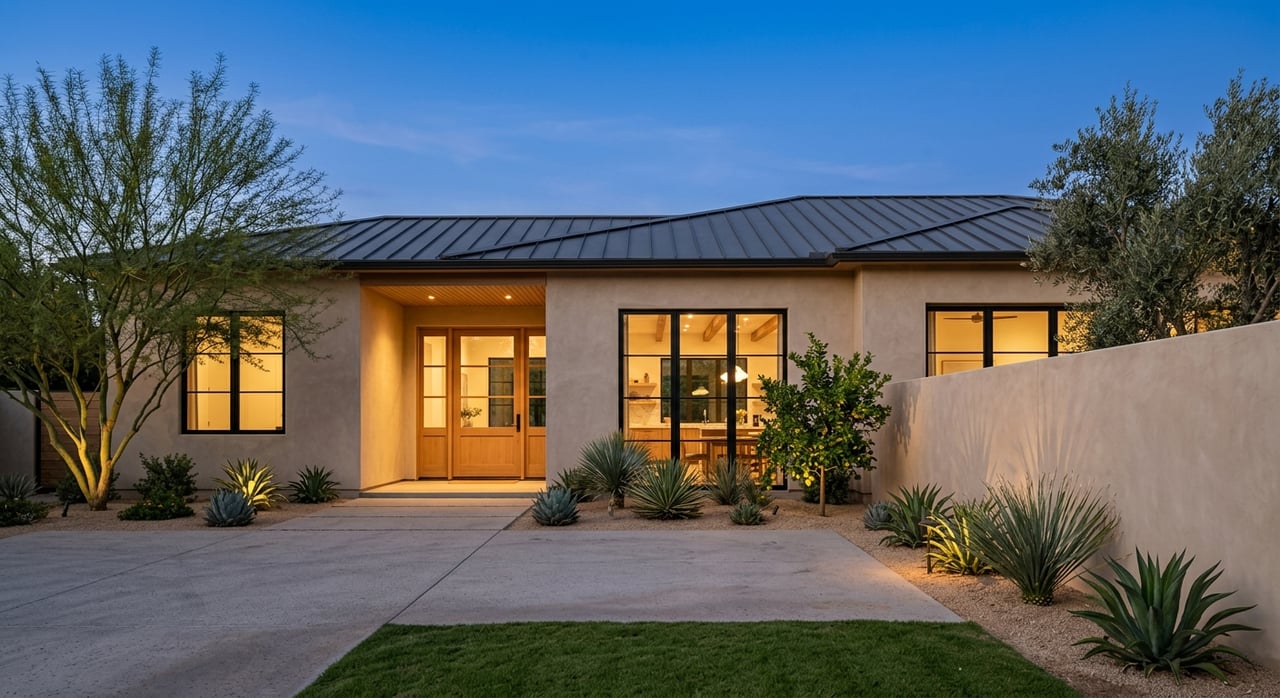
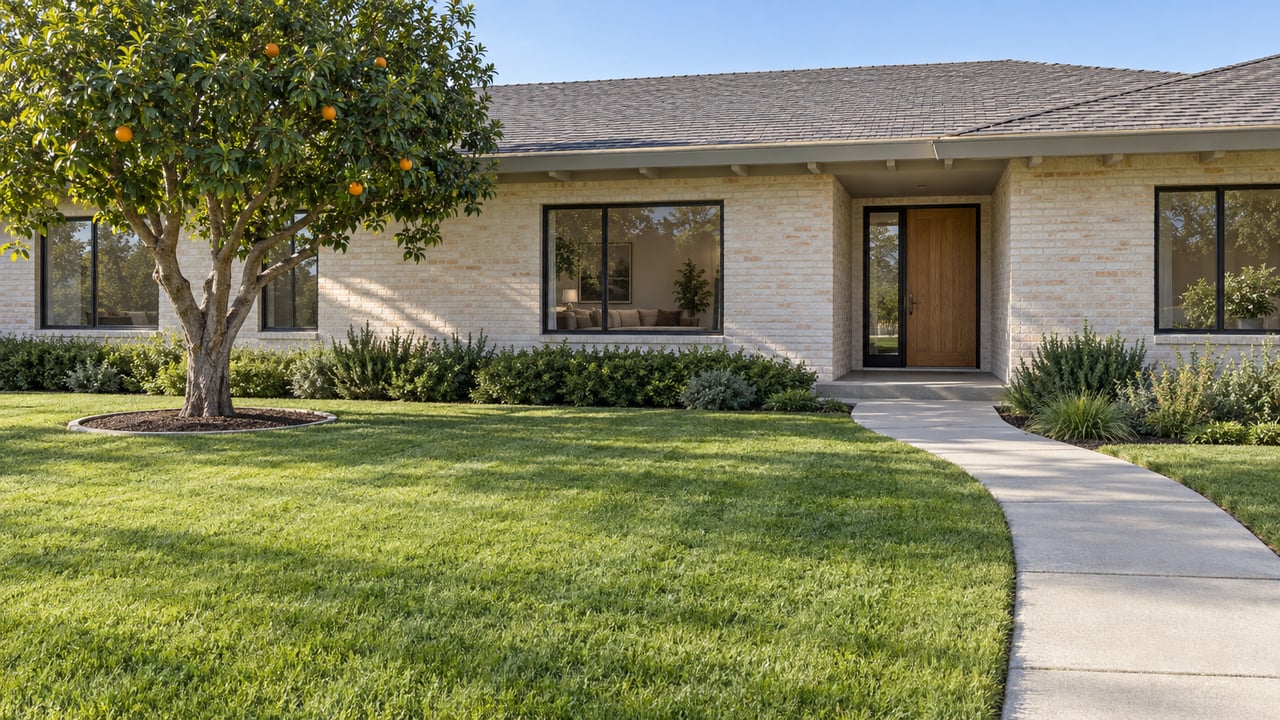
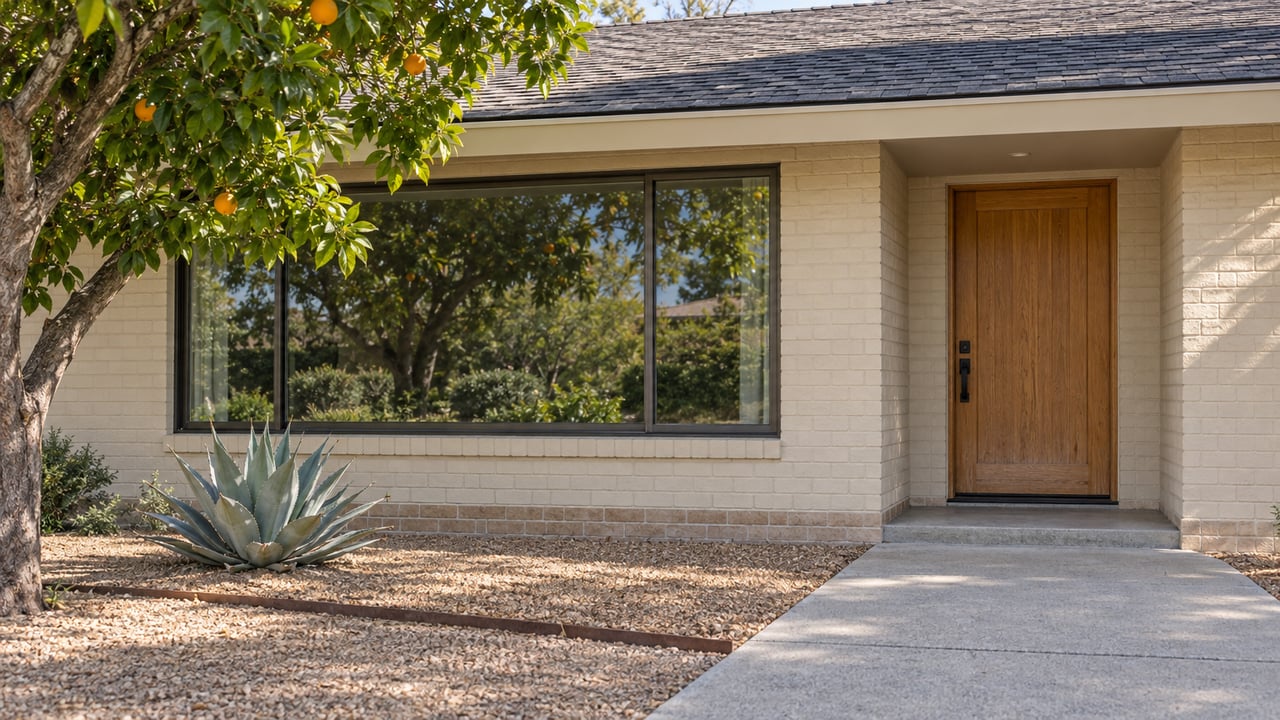
Arcadia's ranch homes and their mature citrus canopies did not appear at the same time by accident. The trees are original. So, in a majority of cases, is the plumbing underneath them. That overlap is the actual story here, and it is knowable well before a buyer's home inspector ever shows up.
The Grove Is Still Down There
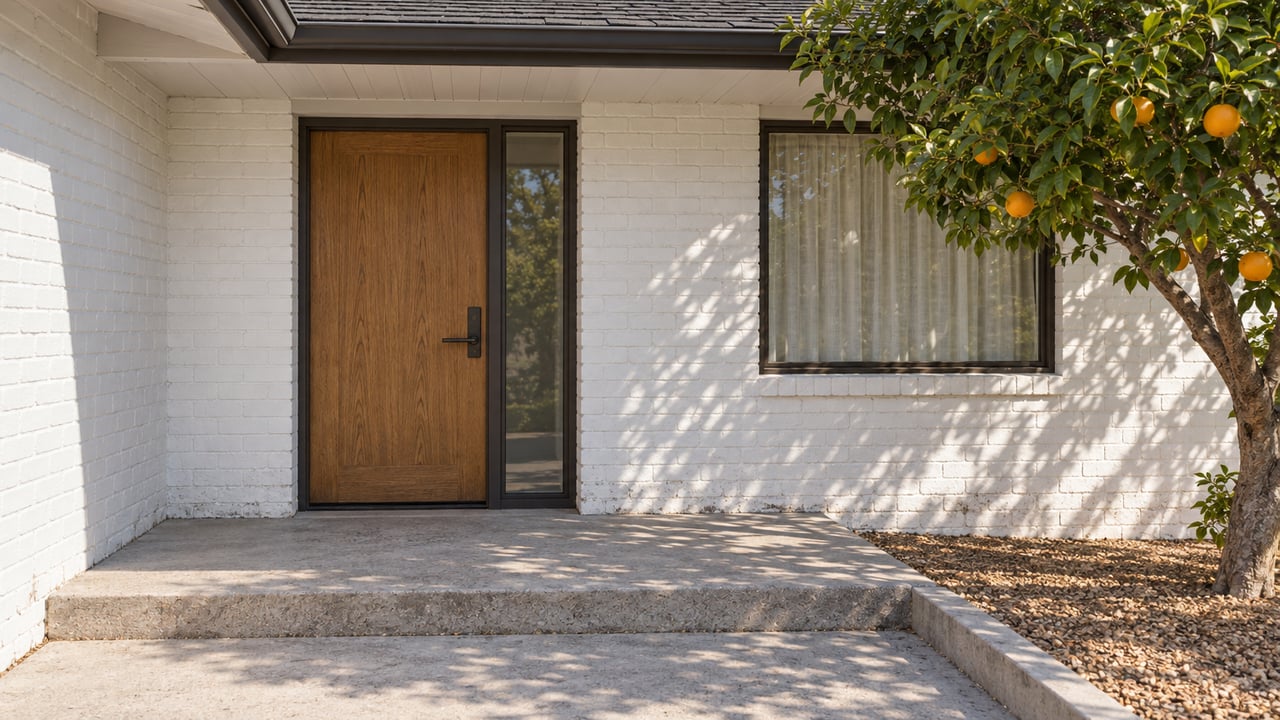
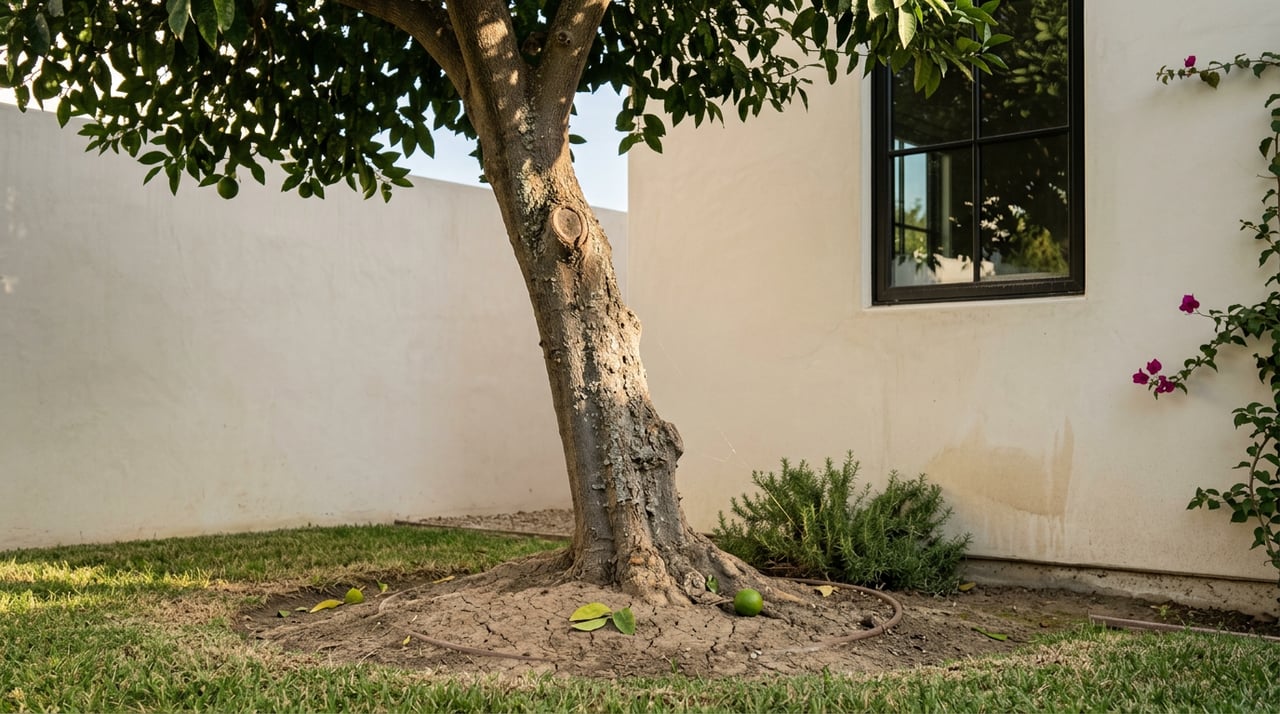
Arcadia's identity, spanning ZIP codes 85018 and 85016, comes directly from land that was working citrus orchard before it was subdivided into residential lots in the postwar decades. Many of the grapefruit and orange trees that gave the neighborhood its name were never removed. They became the feature they are today, with canopies that can span 25 feet on a mature tree.
The sewer laterals running under those same lots are frequently original too. Homes built in the 1950s and 1960s typically used cast iron pipe assembled with hub-and-spigot joints, sealed at the time with lead caulking and oakum. After 65 to 70 years, those joints develop micro-gaps. Citrus roots are aggressive moisture seekers in Arizona's dry soil, and a root system doesn't need to force its way into a pipe. Fine feeder roots sense the moisture and carbon dioxide escaping through a hairline gap and grow directly toward it, eventually thickening into the kind of mass that shows up on a camera inspection.
This is not a defect in the tree or the pipe individually. It's what happens when a 1950s construction choice and a decision to keep the citrus trees in place, made around the same time, spend seven decades interacting underground, unsupervised.
Why This Is an Arcadia Problem Specifically
Plenty of Phoenix neighborhoods have old pipe. What makes Arcadia distinct, alongside Biltmore and the Willo Historic District, is the density of mature root systems sitting directly over that pipe. Ficus, citrus, and mesquite root networks combined with the Valley's caliche soil, which expands and contracts with seasonal moisture, create some of the more complex lateral repair conditions in the Phoenix market. Caliche movement alone stresses pipe joints over decades, pushing sections out of alignment and creating the low spots where blockages start.
The City of Phoenix's own sewer maintenance guidance backs this up at a citywide scale. Grease is the single largest cause of sewer blockages the city's water services department deals with, but roots from trees and invasive shrubs like oleanders come in second. In a neighborhood built almost entirely around mature trees on generous lots, that second-place ranking moves closer to first place in practice.
The part sellers often miss: a full remodel doesn't reset this clock. A kitchen gut and a new pool deck say nothing about whether the four-inch clay or cast iron line running from the house to the street was ever touched. A home can look finished on the surface and still be running on 1950s plumbing underneath it.
The One System Nobody Prices Until Someone Else Finds It
Under Phoenix's sewer rules, Roto-Rooter says the property owner is responsible for everything from the house to the connection point with the city's main line in the street, including the portion running under the front yard and sidewalk. That responsibility exists whether or not anyone has looked at the pipe in twenty years.
The tell, when there is one, is usually visible above ground first: a section of lawn that stays lush and slightly damp regardless of the heat, or a sulfur smell near a patio or floor drain that gets stronger as monsoon humidity rises. Both point to the same underlying issue, and both are things a seller can check for before a buyer's inspector does.
Here's the part worth sitting with: the pipe's condition doesn't change based on who discovers it or when. What changes is who has room to negotiate.
| When the issue surfaces | Who holds the leverage | What it typically costs | What it does to your timeline |
|---|---|---|---|
| Before listing, on your own schedule | You do | A camera scope alone, roughly $100 to $250 | Nothing. You choose whether to fix it, price it in, or leave it |
| Mid-escrow, during the buyer's inspection period | Split, but the buyer moves first | Same repair, negotiated under a deadline | AZ Mortgage Brothers describes a five-day seller response window; a closing date may be at risk |
| After close, via dispute or claim | Same repair, plus the cost of resolving a disagreement | Time, goodwill, and possible legal exposure |
The repair cost barely moves across those three rows. Everything else does.
What the SPDS Actually Asks, and Why "Unknown" Isn't the Safe Answer It Sounds Like
According to Gottlieb Law, Arizona's Seller's Property Disclosure Statement includes a dedicated section on the sewer and wastewater system. It asks what type of system serves the property, who the provider is, whether a professional has verified the connection, whether there have been any known issues or repairs, and the date of the most recent inspection. Under the standard AAR purchase contract, Abate Law says sellers deliver the completed SPDS to the buyer within three days of contract acceptance, a deadline that arrives fast once a home is under contract.
According to Abate Law, answering "I don't know" to the inspection-date question is legally honest if you genuinely haven't looked. It's also the answer that offers a buyer's agent the least reassurance and the most reason to scrutinize everything else on the form. Arizona courts have consistently held that sellers must disclose known material facts, but there's no requirement to investigate what you don't know. The distinction that actually matters here isn't legal, it's strategic: a documented "scoped in [month, year], no defects found" is a stronger sentence in a disclosure statement than a blank line, and it costs less than the scramble that follows a surprise.
The Inspection Clock Changes Who's Holding the Leverage
Arizona's standard purchase contract gives buyers a period from contract acceptance to complete inspections and submit a Buyer's Inspection Notice and Seller's Response, known as the BINSR. Once submitted, the seller has five days to agree to repairs, offer a credit, or decline. The buyer then has five more days to accept, counter, or walk.
That process works fine for a leaking faucet or a worn HVAC unit. It works less well for a sewer defect discovered on day eight, when a seller is already three weeks into packing, has a closing date circled on the calendar, and is negotiating a four- or five-figure repair against a hard deadline instead of on their own terms. The BINSR isn't designed for price renegotiation, but a credit in lieu of repair is common practice exactly because sellers in that position often need a fast resolution more than they need to control the repair themselves.
What a Scope Actually Costs Against What's at Stake
A standalone camera inspection in the Phoenix market runs in the range of a routine service call, not a renovation line item. If a scope turns up root intrusion or a compromised joint, cured-in-place pipe lining, known as CIPP, has become the standard fix for exactly this scenario. A resin-saturated liner is inserted into the existing pipe and cured in place, forming a single jointless barrier that root systems can no longer exploit. Installed correctly, it carries a service life of 50 years or more under industry testing standards, and most residential jobs are completed in a single day without digging up the yard.
That last part matters more in Arcadia than almost anywhere else in Phoenix. Traditional excavation means cutting through caliche hardpan, which drives up both time and cost, and it means disturbing root zones under trees that took decades to reach their current size. Full sewer line replacement in the Phoenix market averages around $4,123 as of April 2026, with a typical range between roughly $1,800 and $6,400 depending on length and how much digging is involved. Against a neighborhood where listings carried a median list price near $1.1 million as of late June 2026, that repair range sits well inside rounding error. What isn't rounding error is losing a week of escrow, or a buyer's confidence, over a fact you could have known on your own schedule.
What This Changes About How You Prep to List
If you're planning to list in Arcadia in the next several months, a pre-listing camera scope belongs on the same checklist as a roof inspection or a pool equipment check. Two outcomes are possible, and both work in your favor. A clean scope becomes something you can state plainly in your disclosure and, informally, in conversations with a buyer's agent. A scope that finds root intrusion gives you time to get competitive CIPP quotes, decide whether to complete the repair or price it into the listing, and write a disclosure that reads like a documented decision instead of a guess.
Either way, you're the one deciding when the conversation about your sewer line happens. In a inspection window with a closing date attached, that timing is worth more than most sellers realize until they've lost it.
Does every Arcadia home have this issue? No. The risk correlates specifically with mature citrus, ficus, or mesquite root systems combined with original cast iron or clay laterals. Homes where the underground line has already been replaced or lined carry much lower risk regardless of the trees above them.
We did a full remodel. Doesn't that cover it? Not necessarily. Surface renovations, including new kitchens and baths, rarely touch the underground lateral unless a plumber specifically scoped and addressed it. A remodel says nothing about what's running under the driveway.
If a buyer's inspector finds this instead of me, who pays? It depends on the BINSR negotiation, but the seller typically ends up covering the repair or offering a credit either way. The difference a pre-listing scope makes isn't whether you pay. It's whether you're negotiating from a documented position or reacting to someone else's discovery under a five-day clock.
If you're weighing when to list a home in Arcadia and want a clear-eyed read on what buyers and their inspectors are likely to focus on this season, The Pontikas Team can walk through the specifics with you. Reach out for a Free Home Valuation and a straightforward conversation about what your property's age, systems, and setting mean for pricing it right the first time.
This article is general information, not legal, tax or financial advice. Consult a qualified professional about your situation.